
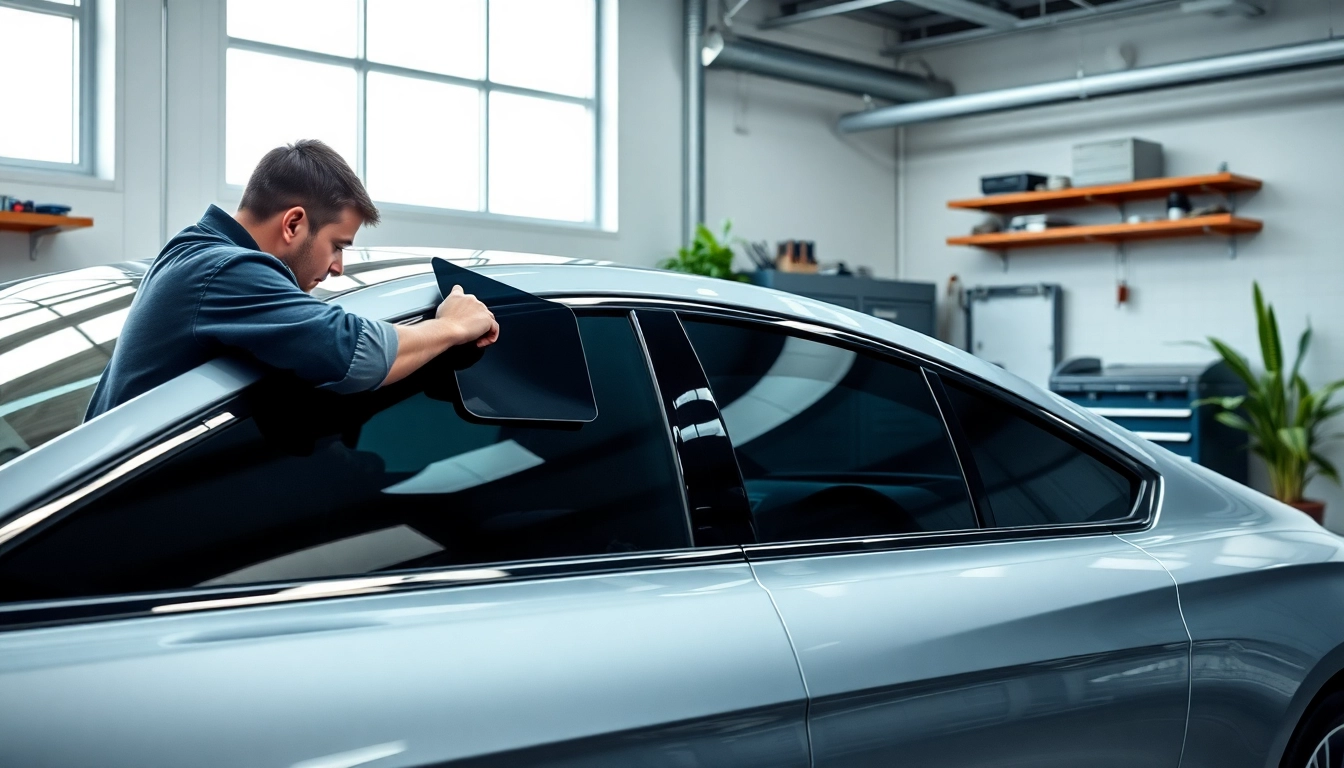
The Benefits of Window Tinting Cleveland TN
Window tinting has gained popularity among vehicle owners in Cleveland, TN, thanks to its multifaceted benefits. From enhancing privacy to preserving vehicle interiors, the advantages are compelling. Moreover, the rising awareness of energy efficiency further cements the need for professional window tinting Cleveland TN. In this section, we delve deep into the key benefits that make window tinting a smart investment for any vehicle owner.
Improved Privacy and Security
One of the primary motivations for window tinting is to improve privacy. Tinted windows obscure visibility into the car, ensuring that personal belongings are less appealing to prying eyes. This added layer of security is particularly beneficial in urban areas where vehicle break-ins can be more prevalent. Additionally, window tinting can deter potential thieves, as they cannot easily see what valuables are inside your vehicle.
UV Protection and Interior Preservation
Window tinting offers significant UV protection, blocking up to 99% of harmful ultraviolet rays. Prolonged exposure to UV rays can lead to skin aging and increase the risk of skin cancer. Furthermore, excessive sunlight can cause the vehicle’s interior materials, such as leather and fabric, to fade and crack over time. Thus, investing in window tinting not only safeguards your health but also extends the lifespan and appearance of your vehicle’s interior.
Energy Efficiency Savings
Window tinting has a notable impact on energy efficiency, leading to significant cost savings on climate control. During hot summer months, tinted windows can reduce the amount of heat entering the vehicle, decreasing the reliance on air conditioning. This can result in lower fuel consumption and ultimately save money at the gas pump. Moreover, maintaining a more consistent temperature within the vehicle enhances comfort for both the driver and passengers, making for a more enjoyable driving experience.
Choosing the Right Tint for Your Vehicle
Selecting the appropriate window tint involves various considerations, including legal regulations, desired aesthetics, and specific needs of the vehicle owner. Understanding these factors is crucial for making an informed choice and enhancing your experience. In this section, we’ll break down the essentials of choosing the right tint for your vehicle.
Understanding Tint Percentages
Window tint comes in various percentages, which indicate the amount of light that can pass through the film. Lower percentages, such as 5%, allow less light and provide more privacy, while higher percentages, like 50%, offer a more transparent option. Each state has its regulations regarding permissible tint levels, so it’s vital to choose a percentage that complies with local laws while also reflecting personal preferences. For Cleveland, TN, understanding the specific legal limits is essential to avoid fines.
Types of Window Tint Films
There are several types of window tint films available, each offering different benefits:
- Dyed Window Film: Offers basic UV protection and privacy; however, it tends to fade over time.
- Metalized Film: Reflects heat and offers increased privacy, but can interfere with electronic signals.
- Ceramic Film: Provides exceptional heat rejection and UV protection without signal interference, making it a premium choice.
- Hybrid Film: Combines dyed and metalized films, balancing aesthetics with functionality.
Choosing the right type of film depends on your specific needs, budget, and design preferences.
Legal Considerations for Window Tinting Cleveland TN
In Cleveland, TN, window tinting laws dictate what is permissible to ensure safety on the roads. Regulations cover aspects such as visible light transmission (VLT), reflective levels, and tinting on various windows. It’s crucial to familiarize yourself with these regulations before applying window tint to avoid fines or required removal. Generally, most states, including Tennessee, have specific VLT percentages for front, side, and rear windows, so understanding these laws will guide your choices effectively.
Professional Installation vs. DIY
When it comes to window tinting, vehicle owners often face the decision of whether to engage professionals or attempt a do-it-yourself (DIY) installation. While DIY approaches can be tempting due to cost savings, professional installation can provide enhanced results. Below, we outline the distinctions between the two options.
Advantages of Professional Installation
Professional installation of window tinting comes with several advantages that can not only save you time but also ensure quality:
- Precision: Professionals have the expertise and tools necessary to apply the tint without bubbles, creases, or misalignment.
- Warranty and Quality Assurance: Many professional installers offer warranties that cover any defects or issues that may arise post-installation.
- Compliance with Regulations: Professionals are well-versed in local laws and can ensure your tint complies with regulations.
In contrast, while DIY methods can save money, they often lead to mistakes that can be costly to correct.
Common DIY Mistakes to Avoid
For those considering a DIY window tint project, be cautious of common mistakes that can adversely affect the tinting outcome:
- Improper Prep Work: Failing to clean the windows can result in bubbles and an uneven finish.
- Incorrect Film Cut: Miscalculating the dimensions of the glass can lead to inadequate coverage or overhang.
- Weather Conditions: Applying tint in humid or windy conditions can cause adherence issues.
To achieve the best results, ensure you have read and understood the instructions thoroughly before commencing.
Costs Comparison: DIY vs. Professional
When evaluating the costs for window tinting, consider the investment in quality materials versus the cost of a professional service. DIY kits range in price but often lack the durability and quality of professional-grade films, which typically come with warranties. While initial savings might be appealing, consider the potential costs for reapplication or corrections if the result is unsatisfactory. Professional services may have higher upfront costs but can provide lasting satisfaction and aesthetic appeal.
Care and Maintenance for Window Tinting Cleveland TN
Proper care and maintenance of window tint is essential to ensure its longevity and functionality. In this section, we provide best practices for maintaining your tinted windows and enhancing their durability.
Cleaning Techniques for Tinted Windows
Cleaning tinted windows requires a gentle touch to avoid damaging the film. Here are some best practices:
- Use Soft Cloths: Microfiber cloths are ideal for cleaning as they prevent scratching the film.
- Avoid Ammonia-Based Cleaners: Ammonia can degrade the film, so opt for pH-neutral or specially formulated window cleaners.
- Gentle Cleaning Motion: Clean windows using a light touch and avoid vigorous scrubbing.
Regular cleaning will not only maintain visibility but also prolong the lifespan of the tint.
Signs of Damage and Repair Options
Over time, window tint may sustain damage, leading to peeling, bubbling, or discoloration. Common signs of damage include:
- Bubbles forming within the film, indicating improper installation or moisture trapped below the surface.
- Peeling edges, often caused by prolonged exposure to harsh chemicals or environmental conditions.
- Fading of color, a common outcome from UV exposure.
If any of these signs are present, consider consulting a professional for repairs or reapplication depending on the extent of damage.
Longevity of Different Tint Types
The lifespan of window tint varies based on the type of film used and the conditions of application. Generally, ceramic films offer the longest lifespan, lasting up to a decade or more, while dyed films may only last around five years. Factors that influence longevity include environmental exposure, quality of the installation, and adherence to maintenance routines. Understanding these variables can help in making an informed choice when selecting the right film for long-term satisfaction.
Frequently Asked Questions About Window Tinting Cleveland TN
What is the best tint percentage for privacy?
The best tint percentage for privacy typically ranges between 20% to 35%. These percentages provide ample obscurity while still allowing light to enter.
How long does window tint last?
Window tint can last anywhere from 5 to 15 years, contingent upon the type of film, quality of installation, and maintenance practices.
Can I remove window tint myself?
Yes, you can remove window tint yourself using heat applications and adhesive removers, but it may require patience and care to avoid damaging the glass.
Is window tinting legal in Cleveland TN?
Yes, window tinting is legal in Cleveland, TN, but specific laws regulate the allowable tint percentages and types for vehicle windows.
How can window tint save on energy costs?
Window tint can save on energy costs by reducing heat entry, leading to decreased reliance on air conditioning while driving and improving overall fuel efficiency.

